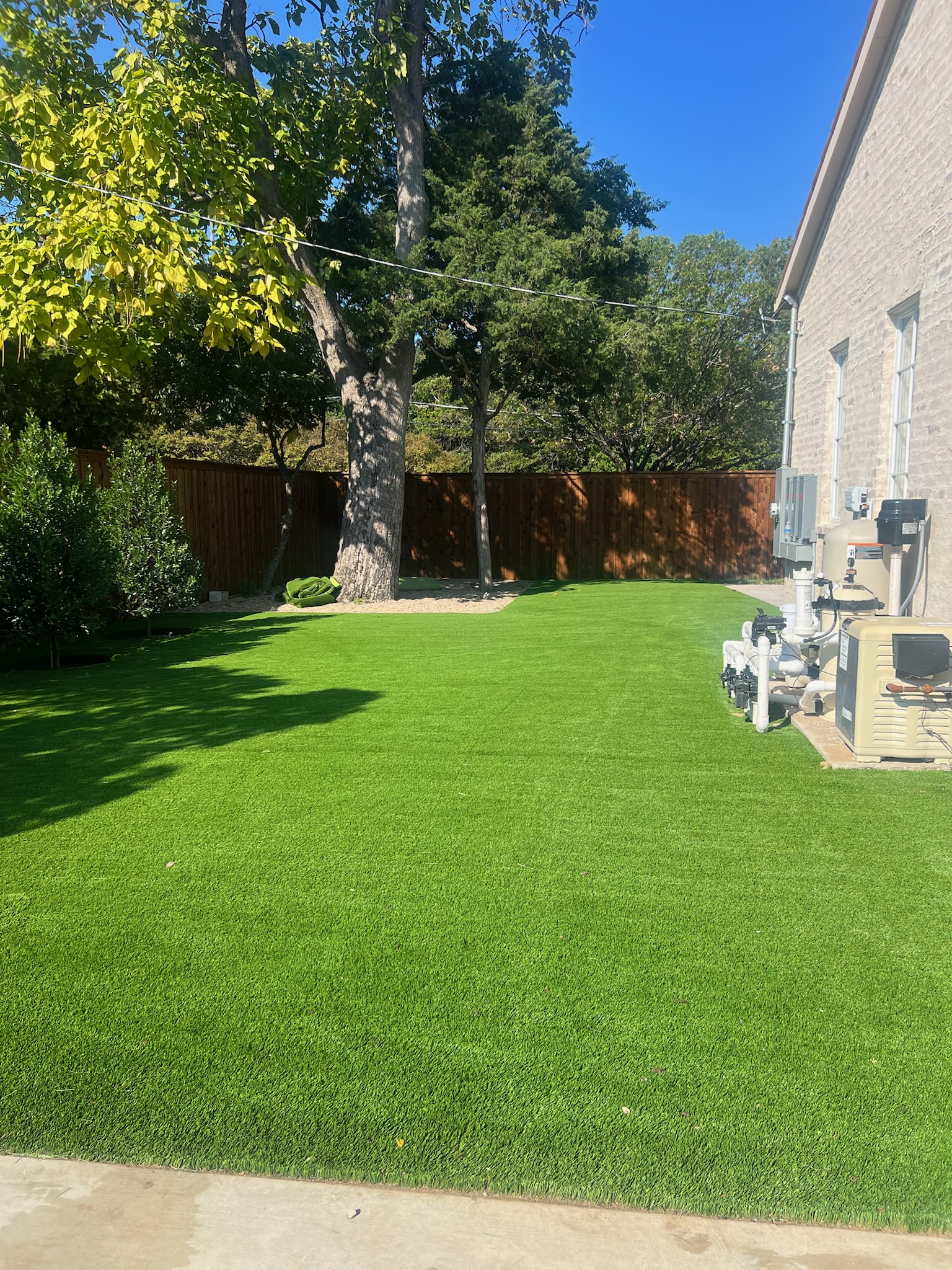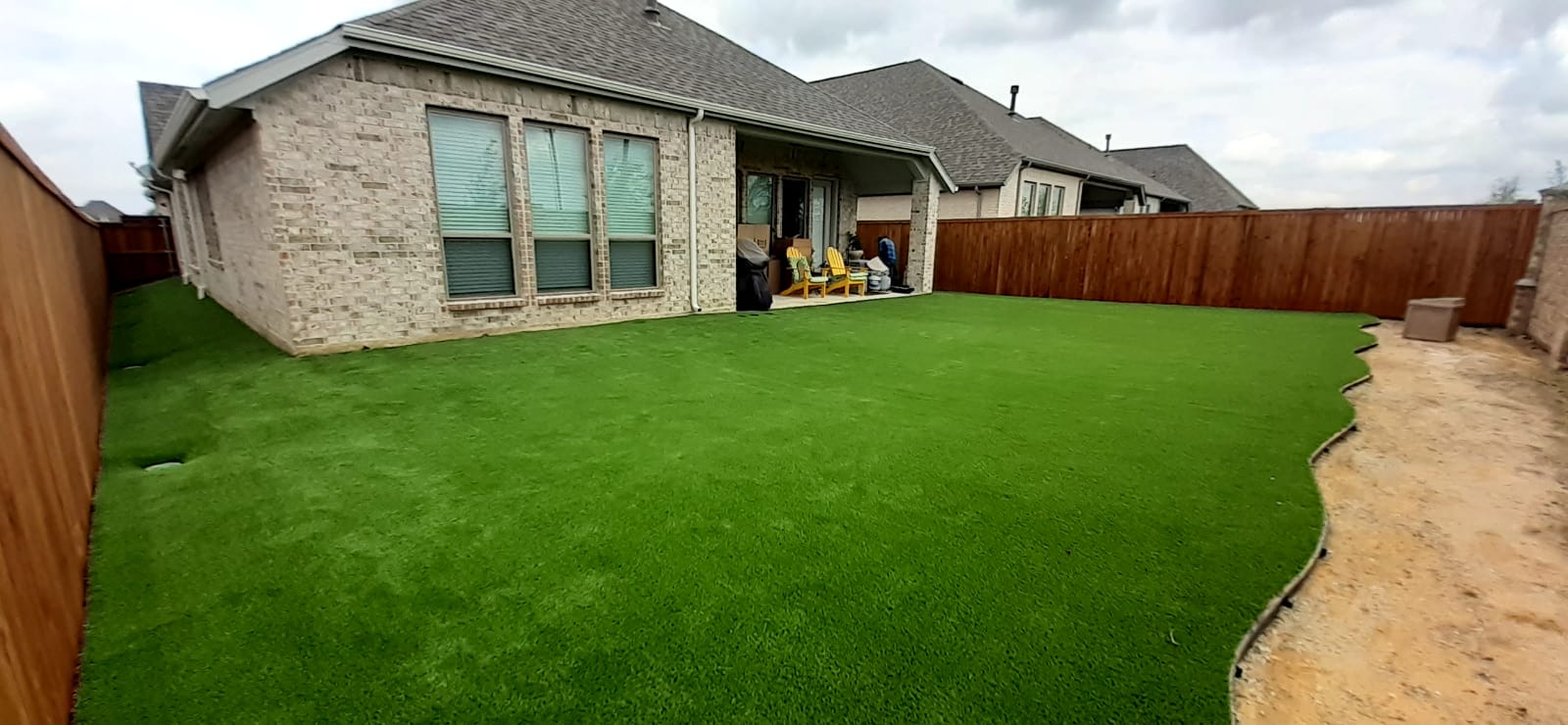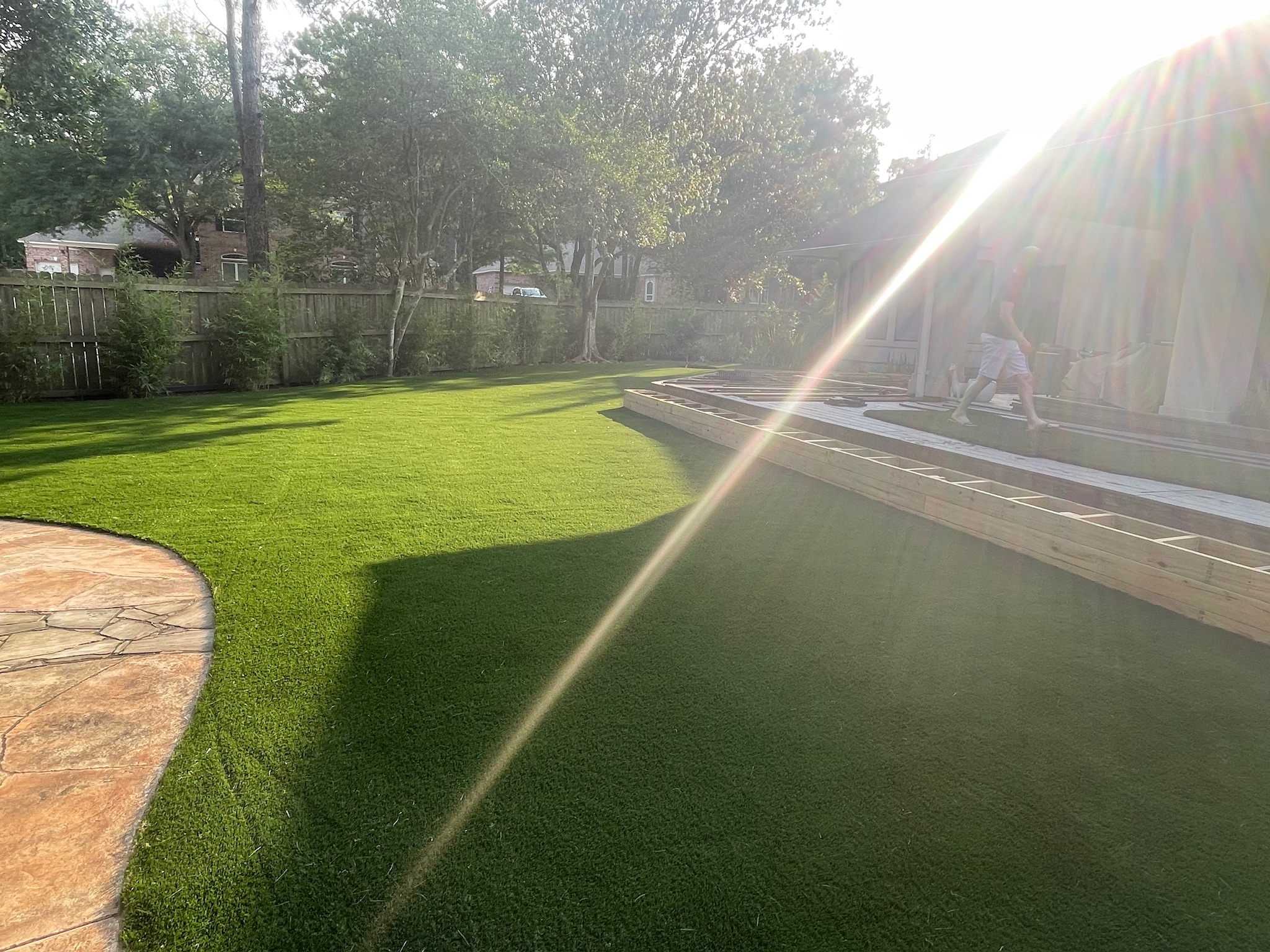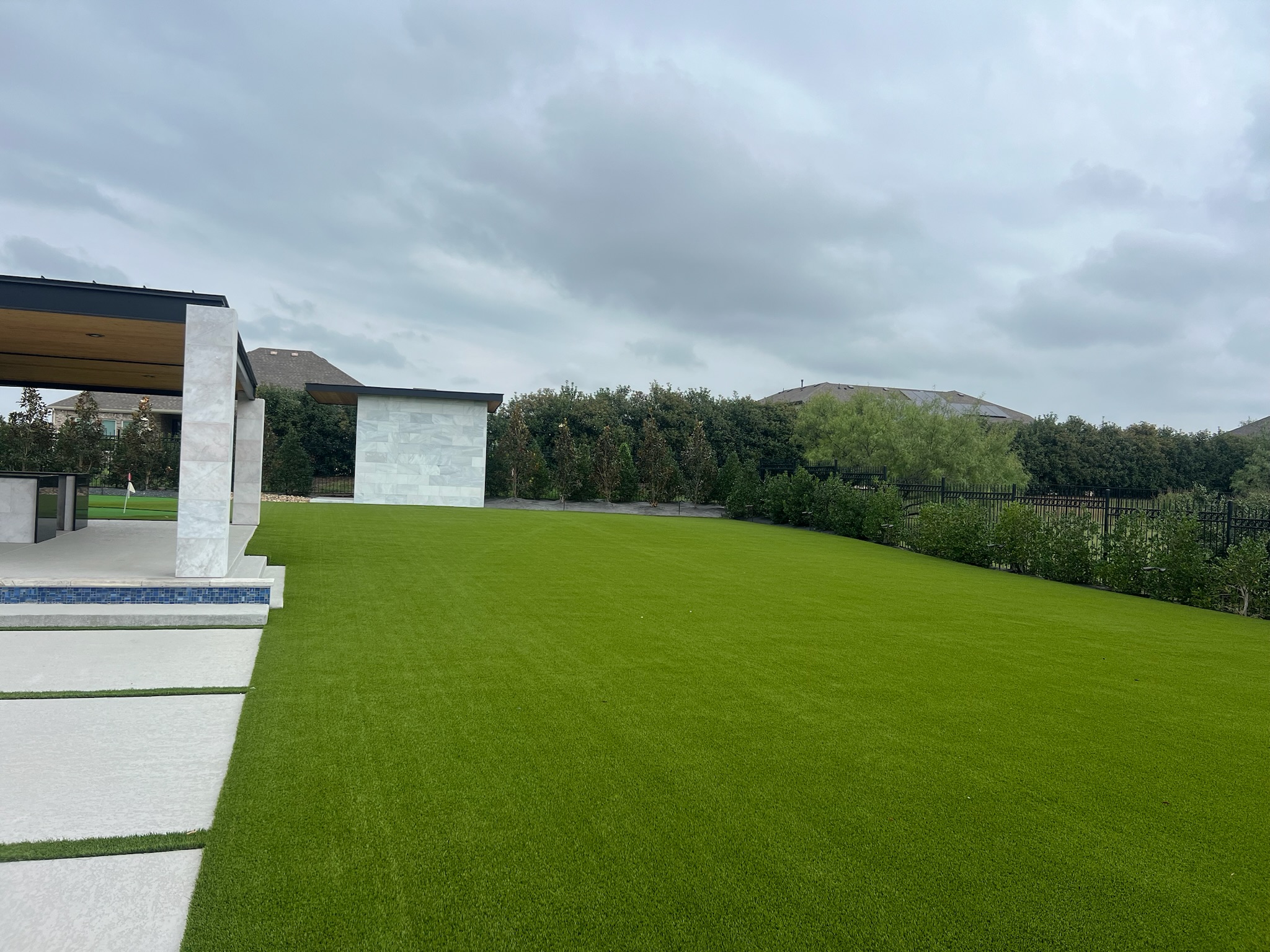
Houston Pet Turf: Engineered for Dogs & Gulf Coast Weather
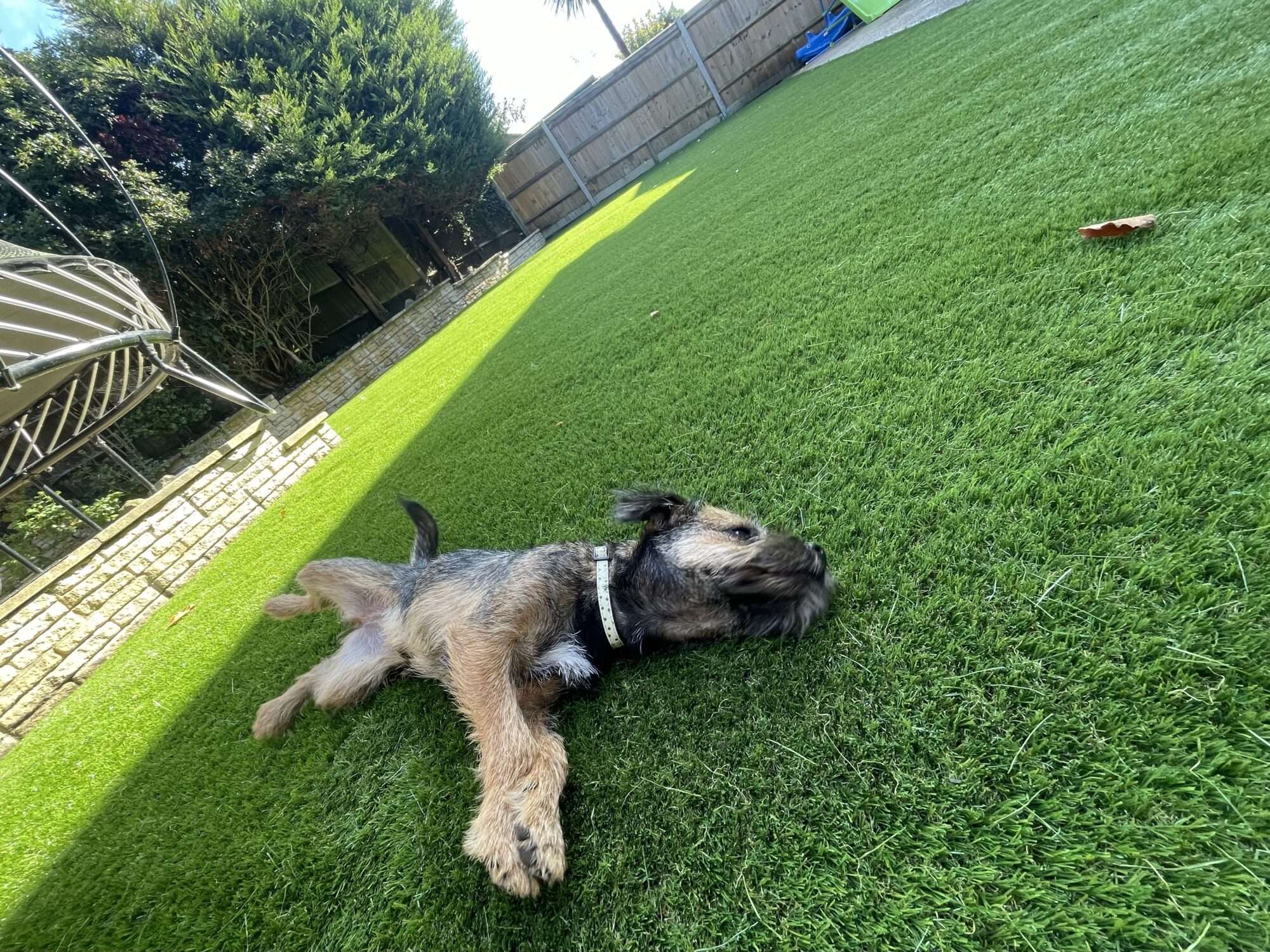
Houston receives an average of 50 inches of rainfall annually, and pet owners across Harris County deal with the consequences every time their dogs go outside. Standing water collects in low spots, saturated clay soil turns into ankle-deep mud, and soggy yards become breeding grounds for mosquitoes, fleas, and fungal growth. Tour Greens Houston addresses every one of those problems with pet turf systems specifically engineered for the Greater Houston climate. Our synthetic grass drains faster than natural soil ever could, dries out in minutes instead of days, and gives your dogs a consistently clean surface to use regardless of what the weather forecast says.
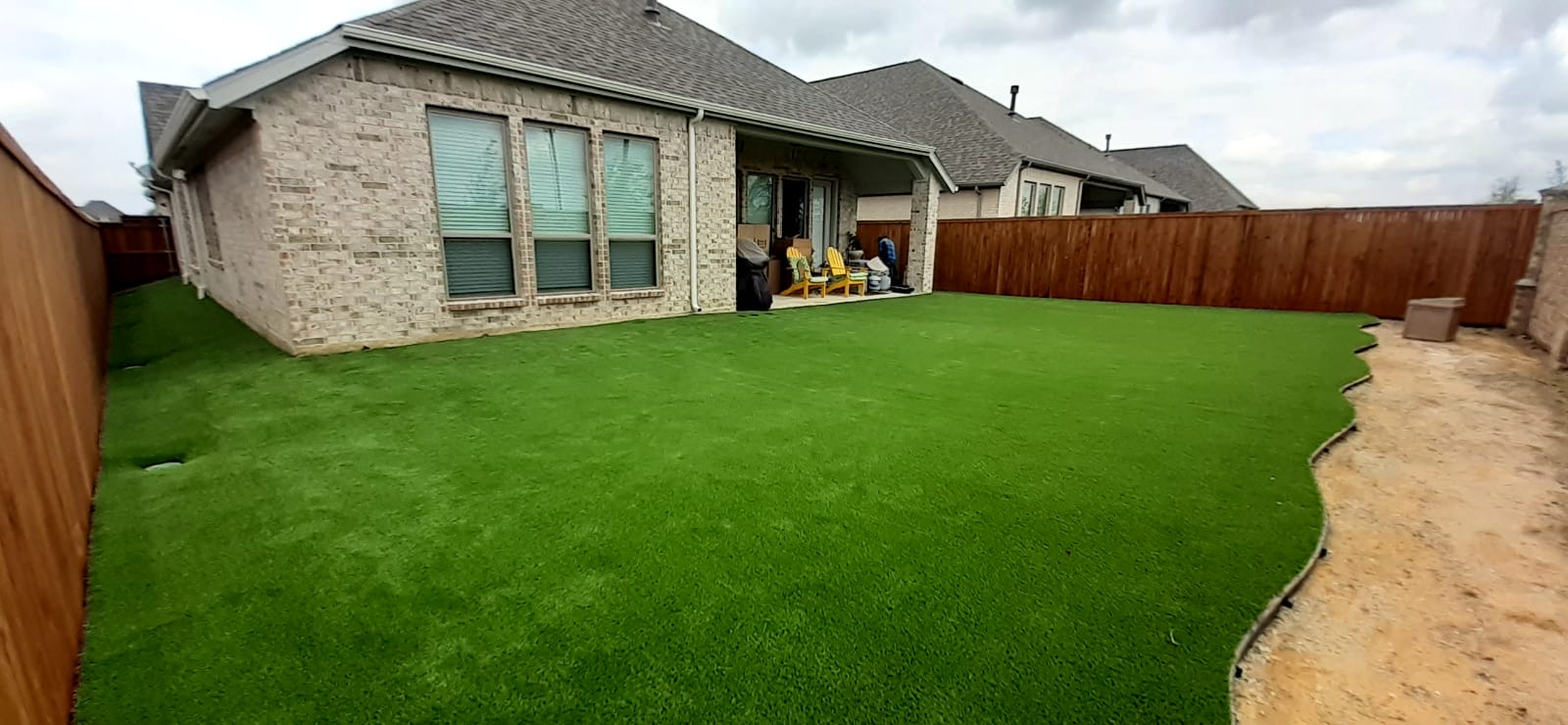
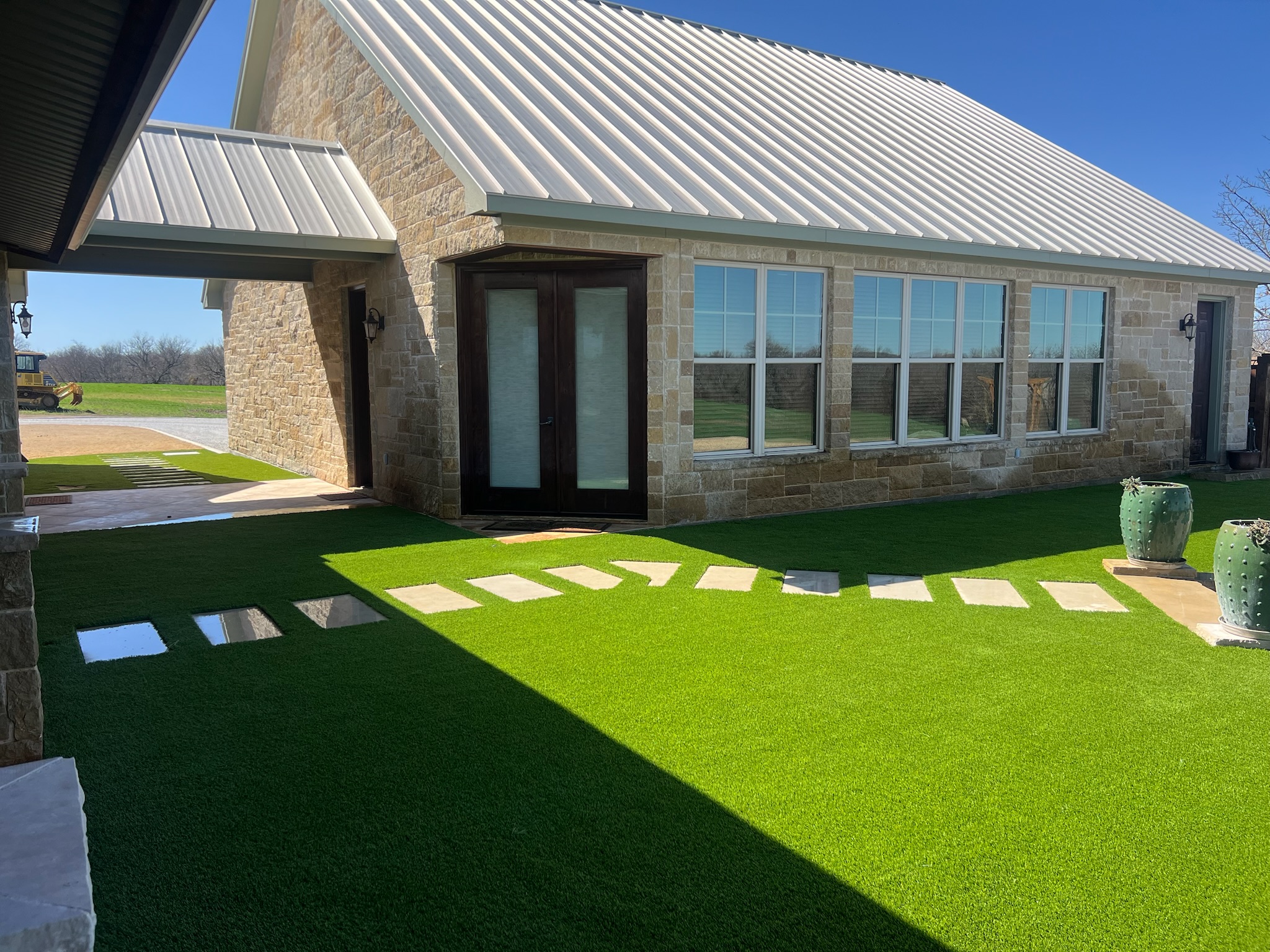
Beyond the drainage advantages, pet turf in Houston eliminates the frustrating cycle of reseeding patches where dogs have worn the grass down to bare earth. St. Augustine and Bermuda lawns struggle to recover from concentrated foot traffic in the subtropical humidity, and the constant moisture accelerates the breakdown of organic turf into muddy, unusable ground. Our pet turf installations across Katy, Sugar Land, The Woodlands, Cypress, and central Houston have transformed backyards from perpetual construction zones into year-round outdoor living spaces for families and their pets. Contact Tour Greens Houston at 713-538-2718 for a complimentary drainage assessment and design consultation.
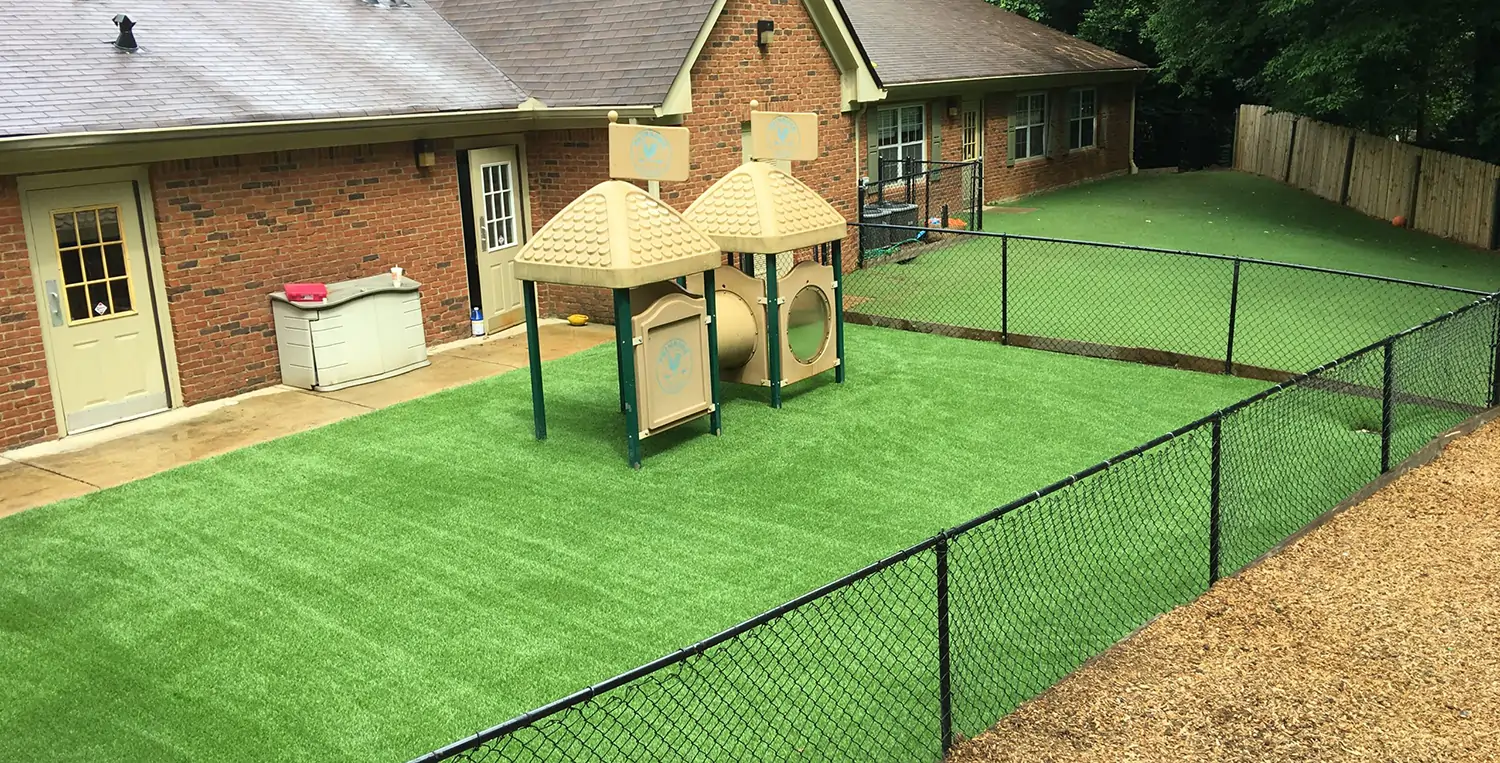
Pet-Friendly Features Designed for Houston’s Climate
Houston’s combination of extreme heat, heavy rainfall, and persistent humidity creates conditions that no standard turf product can withstand in a pet application. Tour Greens Houston selects materials and infill systems that perform specifically under Gulf Coast environmental stress.
Our drainage architecture is the most critical differentiator. The turf backing features a fully perforated membrane that moves liquid vertically at rates exceeding 30 inches per hour. Beneath that, the aggregate sub-base is graded and compacted with drainage slope calculations specific to your lot’s topography. In flood-prone areas of Harris County, we integrate the pet turf drainage into existing French drain systems or yard drainage networks so that heavy storm runoff clears the surface within minutes rather than pooling for hours.
Odor management in Houston’s humidity requires aggressive antimicrobial protection. Warm, moist conditions accelerate bacterial reproduction, which is why we exclusively use Microban®-treated zeolite infill for pet installations in the Greater Houston area. This infill continuously inhibits the bacteria that convert pet urine into ammonia gas, keeping odor levels manageable even during the hottest months of July and August when bacterial activity peaks.
- Heat-resistant polyethylene fibers that stay cooler than nylon alternatives
- Fully perforated backing rated for tropical rainfall intensities
- Non-toxic materials safe for dogs, cats, and children
- UV-stabilized color that resists fading through Houston’s intense sun exposure
Pet Turf Installation for Greater Houston Properties
The installation process Tour Greens Houston follows for pet turf accounts for the unique soil and water table characteristics found across the Greater Houston region. Harris County soil profiles range from heavy black clay in western suburbs like Katy and Fulshear to sandy loam in areas closer to the coast. Each soil type demands a different approach to base preparation and drainage engineering.
Our crews begin every pet turf project by removing existing vegetation and organic topsoil down to stable subgrade. In areas with heavy clay, we excavate deeper and install a thicker aggregate layer to compensate for the soil’s inability to absorb water. The aggregate base is composed of angular crushed stone that locks together under compaction while maintaining enough void space for water to pass through freely.
For homes in flood-prone neighborhoods or properties with high water tables, we add a drain tile layer beneath the aggregate. These modular panels create a continuous air gap that prevents groundwater from saturating the base and pushing moisture back up through the turf surface. This is particularly important in areas like Spring, Pearland, and League City where seasonal water table fluctuations can waterlog conventional installations.
Once the base is graded and compacted, our team rolls out the pet-specific turf, secures all edges with bender board and staking, seams panels with heat-bonded adhesive tape, and fills the surface with antimicrobial infill. The final step is a thorough grooming pass with a power brush to stand the fibers upright and work the infill down into the base of the pile. The entire process typically takes two to four days for residential installations in the Houston metro area.
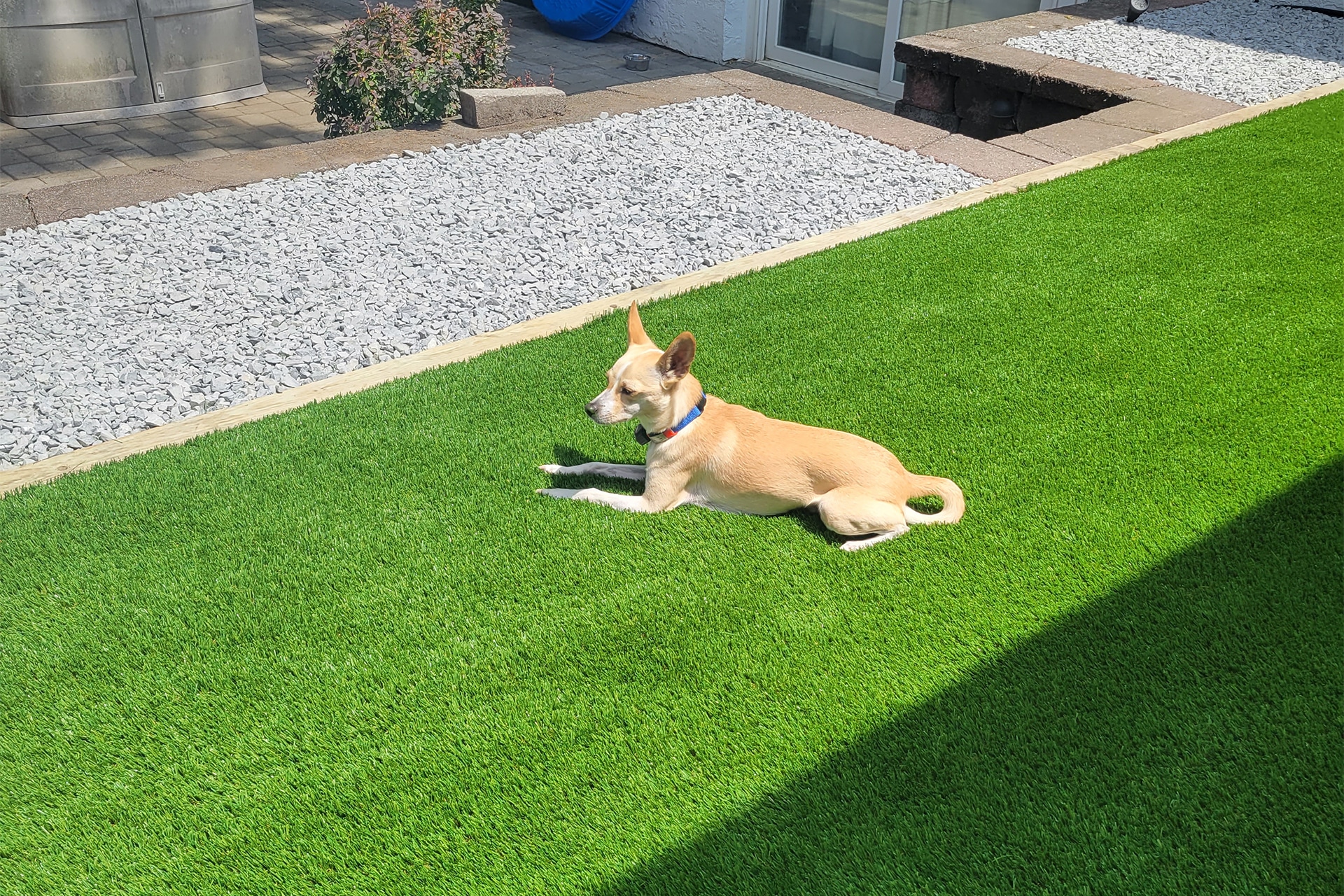
Custom Dog Runs & Backyard Play Areas
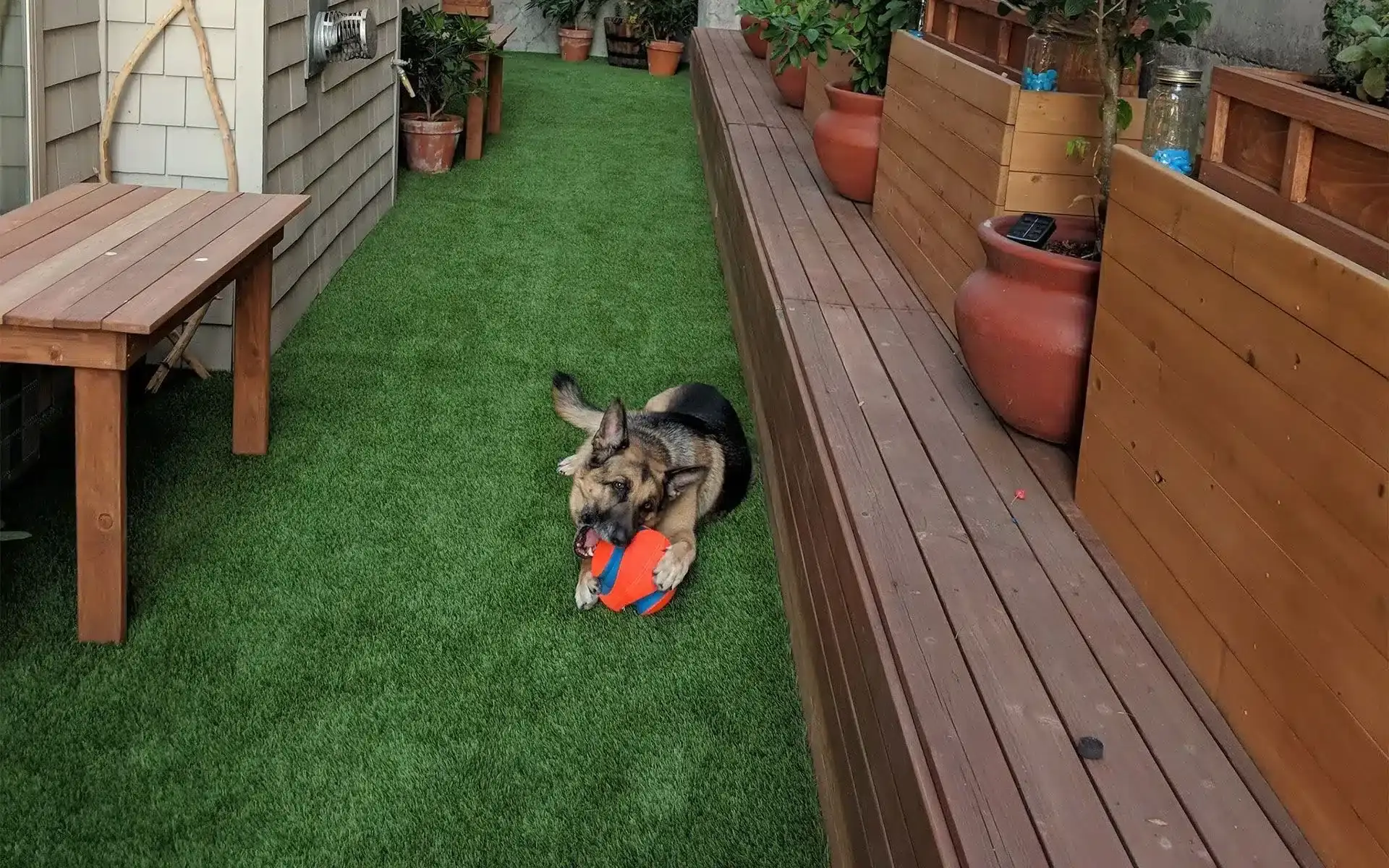
Houston backyards vary dramatically in size and layout, from compact inner-loop townhome patios to sprawling half-acre lots in master-planned communities. Tour Greens Houston designs pet turf installations that make the most of whatever space is available. For smaller urban properties, a dedicated dog run along a side yard or garage corridor provides a contained area for bathroom breaks and exercise without sacrificing usable patio or entertainment space.
On larger suburban lots, we create distinct play zones that separate high-traffic dog areas from landscaped gardens, pool decks, or outdoor kitchens. Strategic placement of the pet turf area near an exterior hose bib simplifies cleanup, while grading the surface toward a perimeter drain keeps waste water from flowing into adjacent planting beds.
We also serve commercial pet facilities throughout the Greater Houston area. Doggy daycares, veterinary clinics, boarding kennels, and apartment complex pet parks all benefit from our commercial-grade pet turf systems. These installations use heavier infill loads, reinforced seaming techniques, and embedded drainage channels designed to handle the traffic volume of dozens of dogs using the same surface every day.
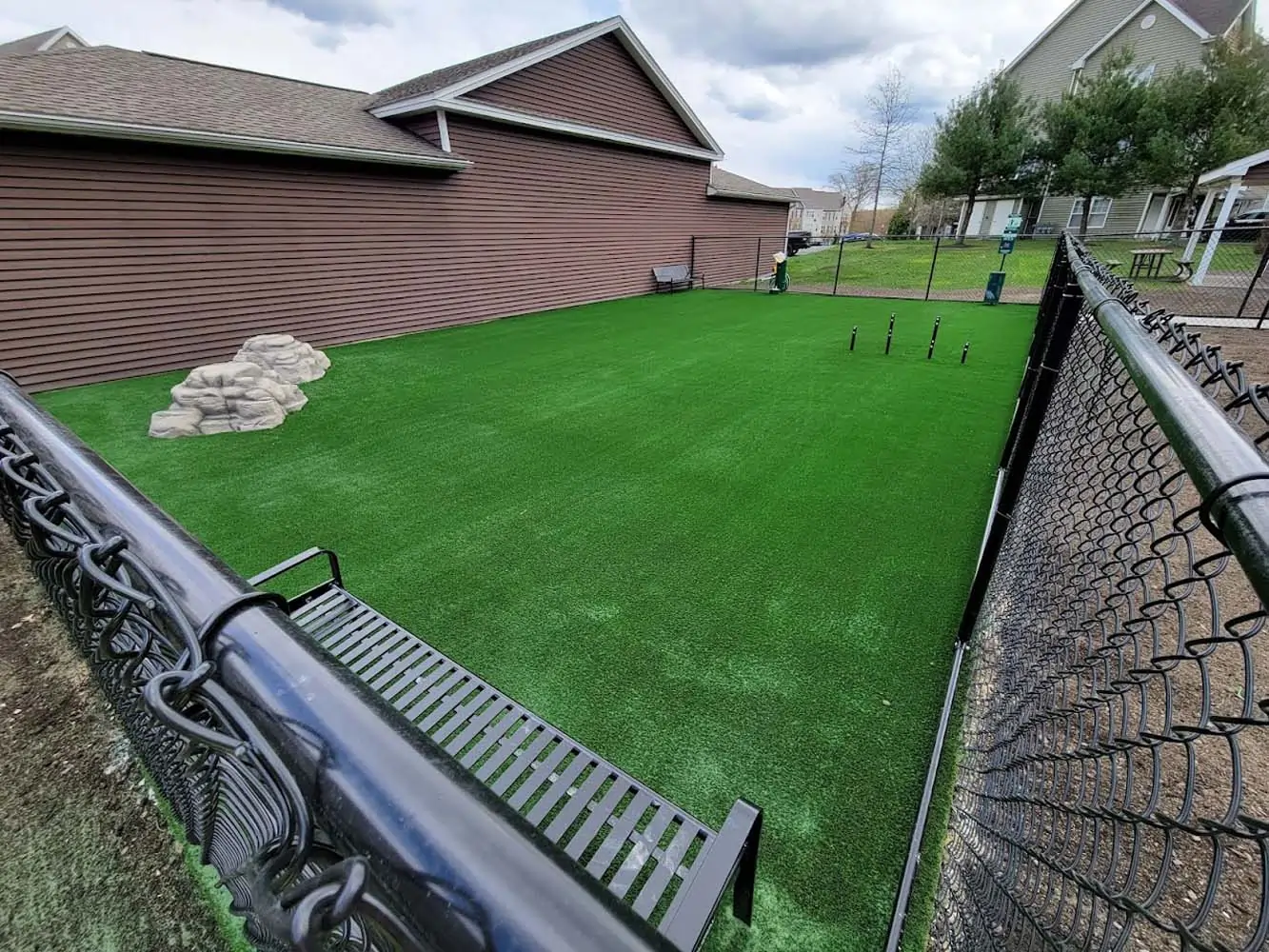
Eliminates Standing Water & Mosquito Habitat
Puddles that sit in low spots of a natural lawn for days after a Houston rainstorm become mosquito breeding sites. A single inch of standing water can produce hundreds of mosquito larvae within a week. Pet turf drains so quickly that standing water never forms on the surface, removing a major vector for mosquito-borne illnesses that threaten both dogs and their owners throughout Harris County.
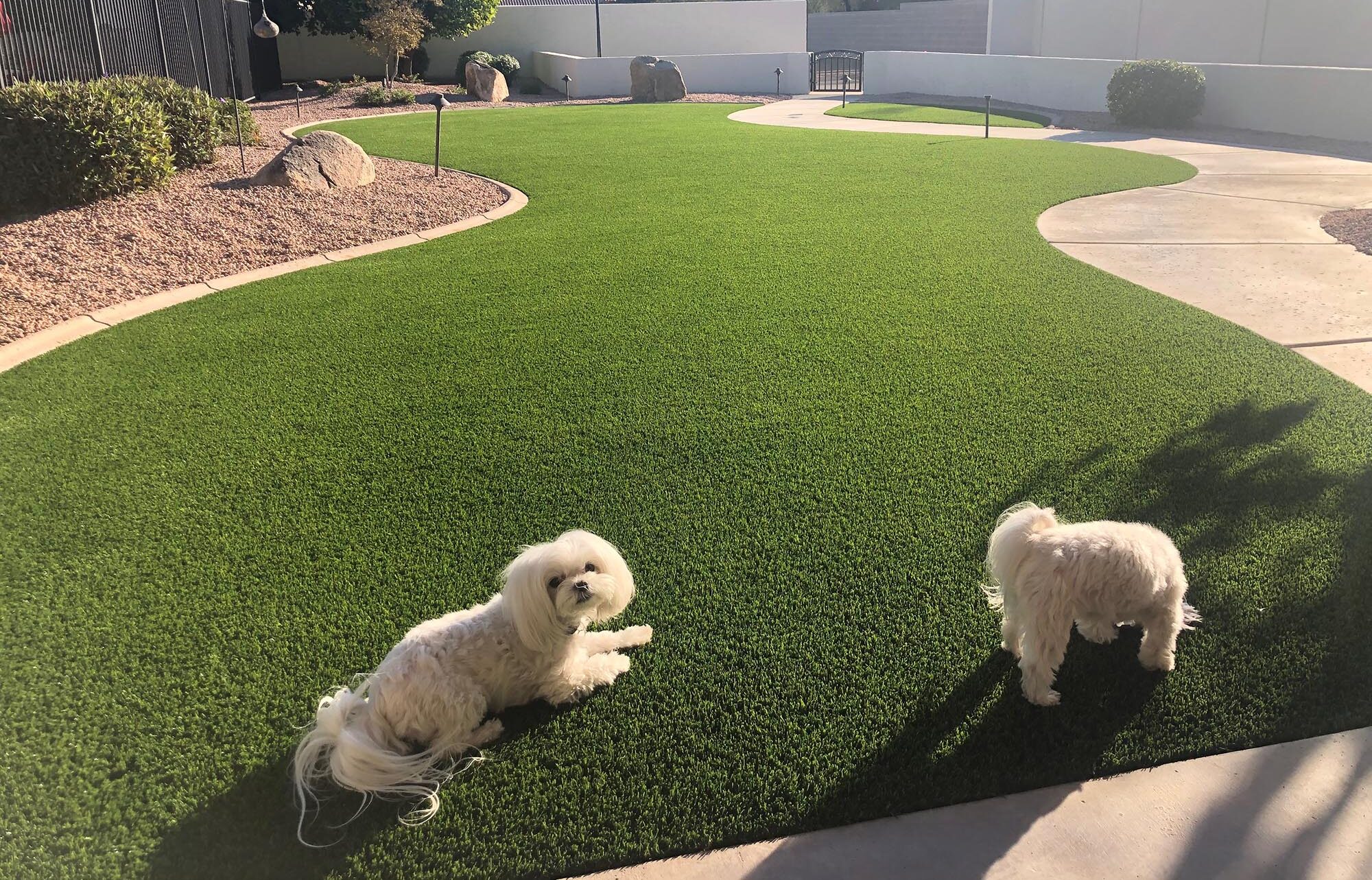
Chemical-Free Yard for Safer Pets
Maintaining a natural lawn in Houston’s climate demands frequent applications of fungicides, herbicides, and fertilizers to combat chinch bugs, brown patch, and weed invasion. Every chemical applied to the grass becomes a contact risk for pets that walk, roll, and play on the surface. Switching to synthetic pet turf eliminates the need for lawn chemicals entirely, creating a cleaner environment for every member of your household.
Reduced Flea & Tick Exposure
Houston’s warm, humid climate supports year-round flea and tick populations. Natural grass provides the sheltered, moist environment these parasites need to complete their life cycle. Synthetic pet turf offers no organic material for fleas to nest in and no moisture-trapping thatch layer for ticks to hide beneath. Pet owners across the Greater Houston area who install our turf consistently report a noticeable decline in flea and tick activity on their properties.
Pet Turf FAQ for Houston Homeowners
How fast does pet turf drain during Houston’s heavy rainstorms?
Our pet turf systems drain at a minimum rate of 30 inches per hour through the perforated backing alone. When combined with the crushed aggregate sub-base and optional drain tile layer, the entire system can handle rainfall intensities that exceed most Houston thunderstorms. Even during prolonged downpours, the surface clears water within minutes. After the rain stops, the turf feels dry to the touch long before a natural lawn would begin to drain, meaning your dogs can go back outside almost immediately.
Is pet turf safe for dogs’ paw pads in Houston’s summer heat?
Synthetic turf does absorb heat from direct sunlight, and surface temperatures can rise above ambient air temperature on peak summer afternoons. However, the pet turf products we install use polyethylene fibers rather than nylon, which reduces surface heat absorption. We also recommend a quick spray with the garden hose before letting dogs out during the hottest part of the day. A 30-second rinse drops the surface temperature by 30 to 40 degrees instantly. Many Houston pet owners also position shade structures or trees to keep the primary dog area out of direct afternoon sun.
Does pet turf help prevent fleas and ticks in the Houston area?
Yes. Fleas and ticks require organic material, moisture, and shade to survive and reproduce. Natural grass lawns provide all three. Synthetic pet turf eliminates the organic thatch layer where parasites nest and drastically reduces the ground-level moisture that supports their life cycle. While no outdoor surface can guarantee zero pest presence, Houston pet owners who switch to our turf systems report a significant and sustained reduction in flea and tick populations compared to their previous natural lawn.
Can I hire someone to professionally clean my pet turf?
Tour Greens Houston offers scheduled maintenance packages that include enzymatic deodorizing treatments, infill redistribution, fiber grooming, and drainage system flushing. Many Houston pet owners opt for quarterly professional cleanings supplemented by their own weekly hose rinses. We also provide one-time deep cleaning services for pet turf systems that have gone extended periods without proper maintenance. Call us at 713-538-2718 to discuss a cleaning schedule that fits your needs.
How does heavy rain affect pet waste on the turf?
Rainfall actually helps maintain pet turf by flushing diluted urine through the drainage system naturally. Solid waste should still be picked up promptly, as rain alone will not fully dissolve it. However, the frequent rains Houston receives do reduce the buildup of liquid waste residue between manual cleanings. During extended dry periods, a weekly hose-down substitutes for the natural flushing that rain provides.
Is pet turf practical for households with three or more dogs?
Multi-pet households are among our most common installations in the Houston area. For three or more dogs, we increase the infill depth, specify a higher-drainage backing, and often recommend a drain tile sub-system to handle the additional waste volume. We also suggest slightly larger turf areas so that waste is distributed over more square footage rather than concentrated in a small zone. With proper sizing and infill specification, a multi-dog pet turf installation performs just as well as a single-dog setup in terms of odor control and cleanliness.
Will pet turf hold up in Houston’s humidity without developing mold?
The combination of antimicrobial infill and rapid drainage prevents the conditions that mold needs to take hold. Mold requires sustained moisture and organic material. Our turf drains quickly enough that the surface never stays wet long enough for mold colonization, and the Microban®-treated infill actively suppresses mold spore germination. In the unlikely event that mold appears on the turf surface due to external contamination such as fallen leaves or mulch debris, a treatment with diluted hydrogen peroxide eliminates it without damaging the turf fibers.